Posts

Recent Published Post

āϤāϞো⧟াāϰ

Image
āϤāϞো⧟াāϰ āĻšāϞো āĻāĻ•āϟি āĻĒ্āϰাāύ্āϤী⧟ āϧাāϰাāϞো āĻ…āϏ্āϤ্āϰ, āϝা āϏোāϜা āĻ•িংāĻŦা āĻŦাঁāĻ•াāύো āĻšāϤে āĻĒাāϰে। āϤāϞো⧟াāϰেāϰ āφāĻ•াāϰ-āφāĻ•ৃāϤি, āϏংāϜ্āĻžা, āĻāĻŦং āϐāϤিāĻšাāϏিāĻ• āϝুāĻ— āĻ­ৌāĻ—োāϞিāĻ• āĻ…āĻž্āϚāϞ āĻ…āύুāϏাāϰে āĻ­িāύ্āύāϤা āϰ⧟েāĻ›ে। āϐāϤিāĻšাāϏিāĻ• āϤāĻĨ্āϝāϏূāϤ্āϰ āĻ…āύুāϝা⧟ী, āϤāϞো⧟াāϰ āĻŦ্āϰোāĻž্āϜ āϝুāĻ—ে āĻŦিāĻ•āĻļিāϤ āĻšā§ŸেāĻ›িāϞ āĻŦāϞে āϜাāύা āϝা⧟ (?)। āĻ›োāϰা āĻĨেāĻ•ে āĻŦিāĻŦāϰ্āϤিāϤ āĻšā§Ÿে āϤāϞো⧟াāϰেāϰ āĻĒ্āϰাāϚীāύāϤāĻŽ āύāĻŽুāύাāĻ—ুāϞো āĻĒ্āϰা⧟ ā§§ā§Ŧā§Ļā§Ļ āĻ–্āϰিāϏ্āϟāĻĒূāϰ্āĻŦাāĻŦ্āĻĻেāϰ। āĻĒāϰāĻŦāϰ্āϤী āϞৌāĻš āϝুāĻ—েāϰ āϤāϞো⧟াāϰ āĻ›িāϞ āĻ•্āϰāϏ āĻ—াāϰ্āĻĄ āĻ›া⧜া āĻāĻŦং āφāĻ•াāϰে āĻ›োāϟ। āĻĒāϰāĻŦāϰ্āϤী āϰোāĻŽাāύ āϏেāύাāĻŦাāĻšিāύীāϤে āĻŦিāĻ•āĻļিāϤ āĻšāĻ“ā§Ÿাāϰ āϏাāĻĨে āϏাāĻĨে āϏ্āĻĒাāĻĨা (āϧাāϰাāϞো āĻ…āϏ্āϤ্āϰ) āĻŽāϧ্āϝāϝুāĻ—েāϰ āχāωāϰোāĻĒী⧟ āϤāϞো⧟াāϰেāϰ āĻĒূāϰ্āĻŦāϏূāϰী āĻšā§Ÿে āωāĻ ে। āφāϰāĻŦ āϏাāχāĻĢ, āĻĢাāϰ্āϏি āĻļāĻŽāϏেāϰ, āϤুāϰ্āĻ•ি āĻ•িāϞিāϜ āĻāĻŦং āφāĻĢāĻ—াāύ āĻĒুāϞ⧟াāϰেāϰ āĻŽāϤো āϤāϞো⧟াāϰāĻ—ুāϞো āĻŽāϧ্āϝ āĻāĻļি⧟াāϰ āϤুāϰāϏ্āĻ•েāϰ āωāύ্āύāϤ āĻŦাঁāĻ•াāύো āĻ…āϏ্āϤ্āϰ āĻĨেāĻ•ে āωāĻĻ্āĻ­ূāϤ āĻšā§ŸেāĻ›ে āĻŦāϞে āϜাāύা āϝা⧟। āωāĻĒāĻŽāĻšাāĻĻেāĻļেāϰ āĻ…āύ্āϝāϤāĻŽ āĻĒ্āϰাāϚীāύ āĻ…āϏ্āϤ্āϰ āĻ āϤāϞো⧟াāϰ āφāϧুāύিāĻ• āĻŦাংāϞাāĻĻেāĻļ, āĻ­াāϰāϤ, āĻĒাāĻ•িāϏ্āϤাāύ, āĻ“ āφāĻĢāĻ—াāύিāϏ্āϤাāύেāĻ“ āĻĒাāĻ“ā§Ÿা āϝা⧟।

Sword

Image
 A sword is a sharp-edged weapon, which can be straight or curved. Swords vary in shape, definition, and historical era by geographic region. According to historical sources, the sword was developed in the Bronze Age (?). The earliest examples of swords, which evolved from daggers, date to around 1600 BC. Swords were without cross guards and smaller in size in the later Iron Age. As developed in the later Roman army, the spatha (sharp weapon) became the precursor to the European sword of the Middle Ages. Swords such as the Arab saif, the Persian shamser, the Turkish kiliz, and the Afghan pulyar are known to have evolved from the curved weapons developed in Central Asian Turkey. This sword, one of the oldest weapons of the subcontinent, is also found in modern Bangladesh, India, Pakistan, and Afghanistan.

āĻāĻ• āύāϜāϰে āĻŦাংāϞাāĻĻেāĻļ

 āĻŦাংāϞাāĻĻেāĻļāĻ•ে āϜাāύāϤে āφāĻ—্āϰāĻšী āĻĒ্āϰাāϰ্āĻĨী āĻ“ āĻ…āύ্āϝাāύ্āϝ āĻĒাāĻ āĻ•āĻĻেāϰ āϜāύ্āϝ āĻāĻ• āύāϜāϰে āĻŦাংāϞাāĻĻেāĻļ āϏāĻŽ্āĻĒāϰ্āĻ•ে āύিāϚে āϤুāϞে āϧāϰা āĻšāϞ:- ā§§. āĻŦাংāϞাāĻĻেāĻļ āĻāĻ•āϟি āϏ্āĻŦাāϧীāύ āϰাāώ্āϟ্āϰ āĻšিāϏেāĻŦে āφāϤ্āĻŽāĻĒ্āϰāĻ•াāĻļ āĻ•āϰে - ⧧⧝⧭⧧ āϏাāϞেāϰ ā§§ā§Ŧ āĻĄিāϏেāĻŽ্āĻŦāϰ। ⧍. āϏāϰāĻ•াāϰি āύাāĻŽ - āĻ—āĻŖāĻĒ্āϰāϜাāϤāύ্āϤ্āϰী āĻŦাংāϞাāĻĻেāĻļ। ā§Š. āϰাāϜāϧাāύী - āĻĸাāĻ•া। ā§Ē. āϏāϰāĻ•াāϰ āĻŦ্āϝāĻŦāϏ্āĻĨা - āϏংāϏāĻĻীāϝ় āϏāϰāĻ•াāϰ। ā§Ģ. āϰাāώ্āϟ্āϰāĻĒ্āϰāϧাāύেāϰ āĻĻাāϝ়িāϤ্āĻŦ āĻĒাāϞāύ āĻ•āϰেāύ - āϰাāώ্āϟ্āϰāĻĒāϤি। ā§Ŧ. āϏāϰāĻ•াāϰ āĻĒ্āϰāϧাāύেāϰ āĻĻাāϝ়িāϤ্āĻŦ āĻĒাāϞāύ āĻ•āϰেāύ - āĻĒ্āϰāϧাāύāĻŽāύ্āϤ্āϰী। ā§­. āĻ­ৌāĻ—োāϞিāĻ• āĻ…āĻŦāϏ্āĻĨাāύ - ⧍ā§Ļ°ā§Šā§Ē´ āωāϤ্āϤāϰ āĻĨেāĻ•ে ⧍ā§Ŧ°ā§Šā§Ž´ āωāϤ্āϤāϰ āĻ…āĻ•্āώাংāĻļ āĻāĻŦং ā§Žā§Ž°ā§Ļā§§´ āĻĒূāϰ্āĻŦ āĻĨেāĻ•ে ⧝⧍°ā§Ēā§§´āĻĒূāϰ্āĻŦ āĻĻ্āϰাāϘিāĻŽাংāĻļ। ā§Ž.  āφāϝ়āϤāύ - ā§§,ā§Ēā§­,ā§Ģā§­ā§Ļ āĻŦāϰ্āĻ—āĻ•িāϞোāĻŽিāϟাāϰ। ⧝. āĻ…āĻŦāϏ্āĻĨাāύ - āĻĒāĻļ্āϚিāĻŽে āĻ­াāϰāϤেāϰ āĻĒāĻļ্āϚিāĻŽāĻŦāĻ™্āĻ— āϰাāϜ্āϝ, āωāϤ্āϤāϰে āĻ­াāϰāϤেāϰ āĻĒāĻļ্āϚিāĻŽāĻŦāĻ™্āĻ—, āφāϏাāĻŽ āĻ“ āĻŽেāϘাāϞāϝ় āϰাāϜ্āϝ, āĻĒূāϰ্āĻŦে āĻ­াāϰāϤেāϰ āφāϏাāĻŽ, āϤ্āϰিāĻĒুāϰা āĻ“ āĻŽিāϜোāϰাāĻŽ āϰাāϜ্āϝ āĻ“ āĻŽাāϝ়াāύāĻŽাāϰ āĻāĻŦং āĻĻāĻ•্āώিāĻŖে āĻŦāĻ™্āĻ—োāĻĒāϏাāĻ—āϰ। ā§§ā§Ļ. āφāύ্āϤāϰ্āϜাāϤিāĻ• āϏ্āĻĨāϞāϏীāĻŽাāϰ āĻĻৈāϰ্āϘ্āϝ - āĻĒ্āϰাāϝ় ⧍,ā§Ēā§Ļā§Ļ āĻ•ি.āĻŽি., āĻāϰ āĻŽāϧ্āϝে ⧝⧍% āĻ­াāϰāϤেāϰ āϏাāĻĨে āĻāĻŦং āĻŦাāĻ•ি ā§Ž% āĻŽাāϝ়াāύāĻŽাāϰেāϰ āϏাāĻĨে। āωāĻĒāĻ•ূāϞীāϝ় āϏীāĻŽাāϰেāĻ–াāϰ āĻĻৈāϰ্āϘ্āϝ ā§Ēā§Žā§Š āĻ•ি.āĻŽি. āĻāϰ āĻ…āϧিāĻ•। ā§§ā§§. āĻ­ূ-āĻ–āύ্āĻĄāĻ—āϤ āϏāĻŽুāĻĻ্āϰāϏীāĻŽা - āωāĻĒāĻ•ূāϞ āĻĨেāĻ•ে ⧧⧍ āύāϟিāĻ•্āϝাāϞ āĻŽাāχāϞ (⧍⧍.⧍⧍ āĻ•ি.āĻŽি.) āĻĒāϰ্āϝāύ্āϤ। ⧧⧍. āĻ…āϰ্āĻĨāύৈāϤিāĻ• āϏāĻŽুāĻĻ্āϰāϏীāĻŽা - āωāĻĒāĻ•ূāϞ āĻĨেāĻ•ে ⧍ā§Ļā§Ļ āύāϟিāĻ•্āϝাāϞ ...

Dhananjay Math | Cumilla

Image
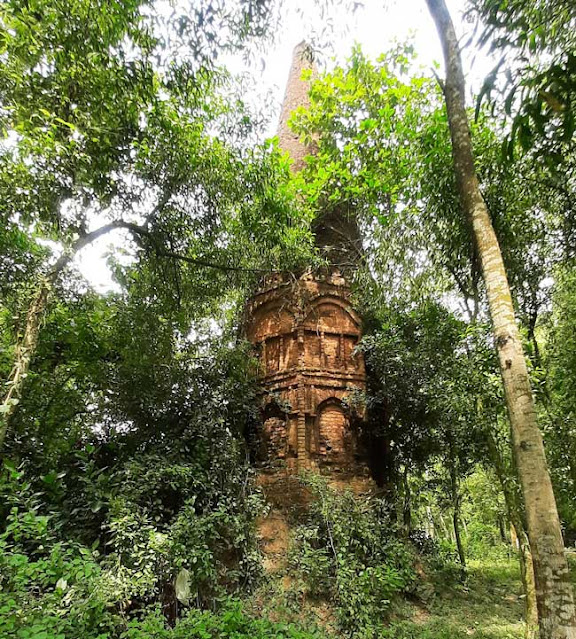
  Dhananjay Math, one kind of memorial temple, is located in the village called Dhananjay of Panchthubi Union of Adarsh Sadar Upazila under Comilla District. The geo-coordinate of this ancient Math is 23°29'55.0"N 91°12'12.0"E (23.498600, 91.203340). Location map of Dhananjay Math ‍at Panchthubi in Cumilla District. Dhananjaya Math built on an octagonal ground plan. The Math is approximately 15 meters high from the plain. Each side of the octagonal math measures 1.5 meters. The math has an entrance on the south wall. The width of the entrance is 0.95 m and height 2.10 m. Lime mortar and thin brick was used to build the math. The outer walls without plaster of the math feature semi-circular arch designs with various geometric designs. The octagonal math gradually tapers up from the middle. Inner wall and Celling of Dhananjay Math ‍at Panchthubi. Relatively large bricks are used in the foundation of the math. The brick used in the temple foundation  measures 27 cm...

Isostasy Theory of Aren Diacen Pratt (A. D. Pratt)

Image
The theory of Isostasy is based on the idea that there is a balance between the high mountains and low plateaus and plains of the earth. Geologists have presented this theory of Isostasy in various ways. Geologist G. B. Airy presented a Isostasy theory about the earth's equilibrium. In 1859, geologist Aren Diacen Pratt (A. D. Pratt) presented another theory of Isostasy against this theory given by Airy. The theory of Isostasy presented by A. D. Pratt mensioned below: A. D. Pratt's theory: According to geologist A. D. Pratt, the density of all parts of the earth is not equal. Pratt states in his theory that all parts of the Earth's solid surface are floating on the same plane above the fluid substratum inside the Earth. However, the surfaces of the earth's solid ground are located at different heights and have created equilibrium conditions. Pratt also points out that the parts of the Earth's solid surface that have the lowest density are the parts that elevated mor...